HSE Store

RIDDOR 2026: Major Proposed Changes to Workplace Injury and Illness Reporting – What UK Warehouses, Manufacturers and Facilities Must Know Now

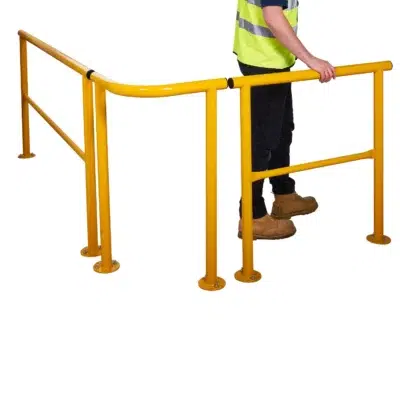
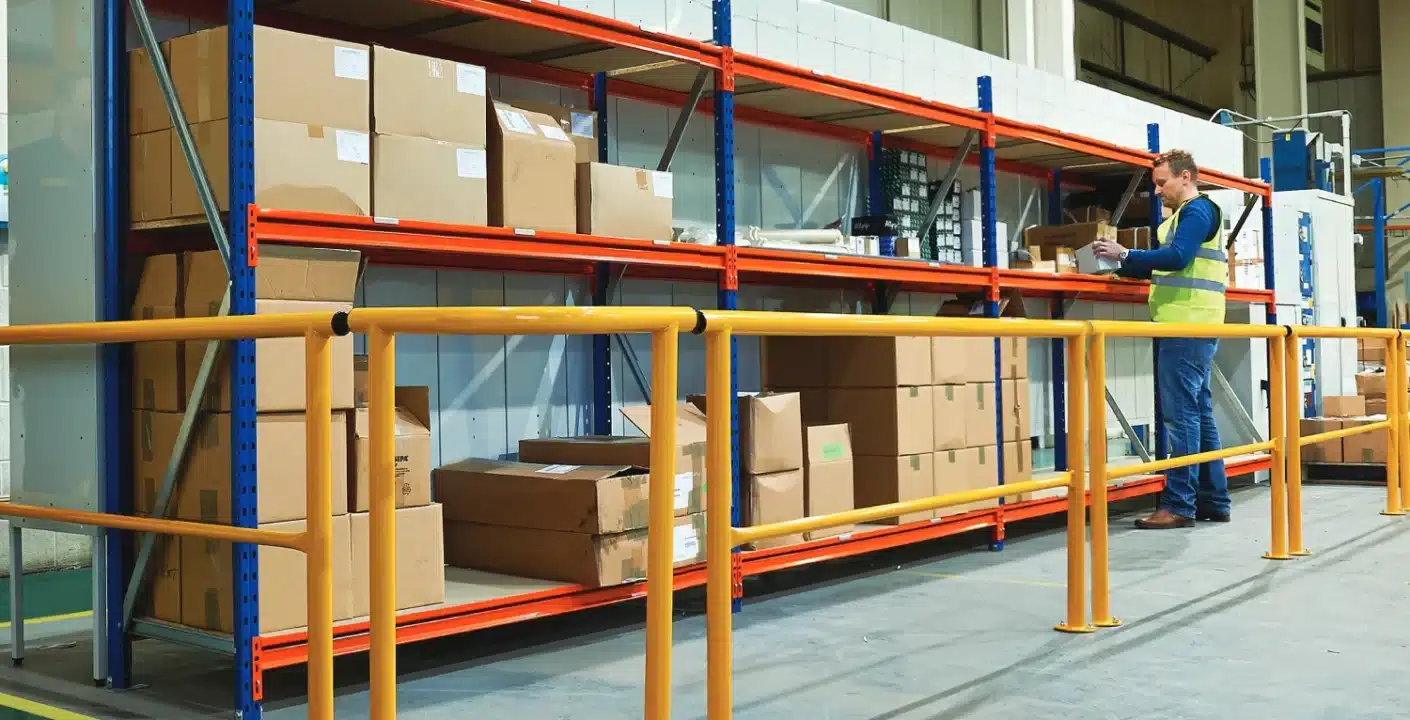
Guard barrier in situ 6

The Health and Safety Executive (HSE) has launched its most significant review of the Reporting of Injuries, Diseases and Dangerous Occurrences Regulations (RIDDOR) in over a decade. On 7 April 2026, the HSE opened a public consultation on proposed reforms to RIDDOR 2013. The consultation closes on 30 June 2026 – giving site managers, warehouse managers, manufacturing leaders and health & safety professionals a narrow window to understand the changes and prepare.

At HSE Store, we supply British-made safety equipment to organisations across the UK that take compliance and workplace safety seriously. This detailed guide breaks down the key proposals in clear, practical terms and explains what they could mean for your operations. Prevention remains the smartest strategy.

HSE Press Release

What is RIDDOR and Why Does It Matter?

RIDDOR 2013 requires employers, the self-employed, and those in control of work premises to report specific work-related incidents to the HSE. This includes:

  • Fatalities and specified injuries
  • Injuries resulting in more than 7 consecutive days’ absence from work
  • Certain diagnosed occupational diseases
  • Dangerous occurrences (serious near-misses with the potential to cause harm)

Accurate reporting helps the HSE identify trends, target inspections, and shape future health and safety policy. For your business, it demonstrates a strong safety culture, supports insurance compliance, and – most importantly – helps protect your team from harm.

Source: https://www.hse.gov.uk/riddor/

Navigating the 2026 updates to riddor reporting requirements

The 2026 Consultation: Background and Timeline

This is the first major overhaul of RIDDOR since 2013. The HSE has identified areas where current terminology is unclear, certain risks are not adequately captured, and reporting processes could be improved.

Key dates:

  • Consultation opened: 7 April 2026
  • Consultation closes: 30 June 2026
  • Potential implementation: Likely 2027 or 2028 (subject to government approval)

The full consultation document and response portal are available on the official HSE website.

Overview of the Proposed Changes

The HSE is consulting on both legislative and non-legislative improvements. The main legislative proposals are:

  1. Clarifying key definitions
  2. Expanding the list of reportable occupational diseases (from 6 to 19)
  3. Updating the list of dangerous occurrences to reflect modern workplace risks
  4. Broadening who can diagnose reportable occupational diseases

There is also a non-legislative proposal to simplify the online reporting form.

Proposed Change 1: Clarifying Key Definitions

Terms such as “work-related”, “injury”, and “routine work” have caused confusion and inconsistent reporting. The HSE wants clearer guidance so that only genuinely relevant incidents are reported.

Real-world scenario: A warehouse operative twists an ankle while moving stock on a busy shift. Is this “work-related” if the floor was poorly maintained, or would it have happened anyway? Clearer definitions will help safety managers make consistent, defensible decisions.

Proposed Change 2: Significant Expansion of Reportable Occupational Diseases

This is the headline change. The current list of six reportable diseases would expand to 19.

Current reportable diseases (6):

  • Carpal Tunnel Syndrome
  • Cramp of the hand or forearm
  • Occupational dermatitis
  • Hand-arm vibration syndrome (HAVS)
  • Occupational asthma
  • Tendonitis or tenosynovitis of the hand or forearm

The expansion reintroduces nine previously removed conditions and adds four new ones. Examples of newly reportable or reintroduced diseases include:

  • Asbestosis
  • Pneumoconiosis (including silicosis)
  • Noise-induced hearing loss
  • Beryllium disease (skin and respiratory)
  • Hypersensitivity pneumonitis
  • Bronchiolitis obliterans (“popcorn lung”)
  • Occupational allergic rhinitis and occupational contact urticaria

Why this matters for warehouses and manufacturing In dusty manufacturing environments or warehouses handling aggregates and concrete, silicosis could become reportable. Noisy production areas or fork-lift operations may trigger reporting of noise-induced hearing loss. These changes place far greater emphasis on proactive health surveillance.

Proposed Change 3: Updates to Dangerous Occurrences

Schedule 2 (dangerous occurrences) is being modernised to better reflect today’s risks. Proposed additions and revisions include incidents such as:

  • Fall of objects from structures during construction or demolition
  • Overturning of construction plant (e.g. telehandlers, excavators)
  • Certain structural collapses, including racking failures and trench collapses

For warehouse operators, this could mean clearer requirements around storage system near-misses.

Scenario: A pallet racking collapse that doesn’t injure anyone but could have done would be more likely to require reporting under the updated rules.

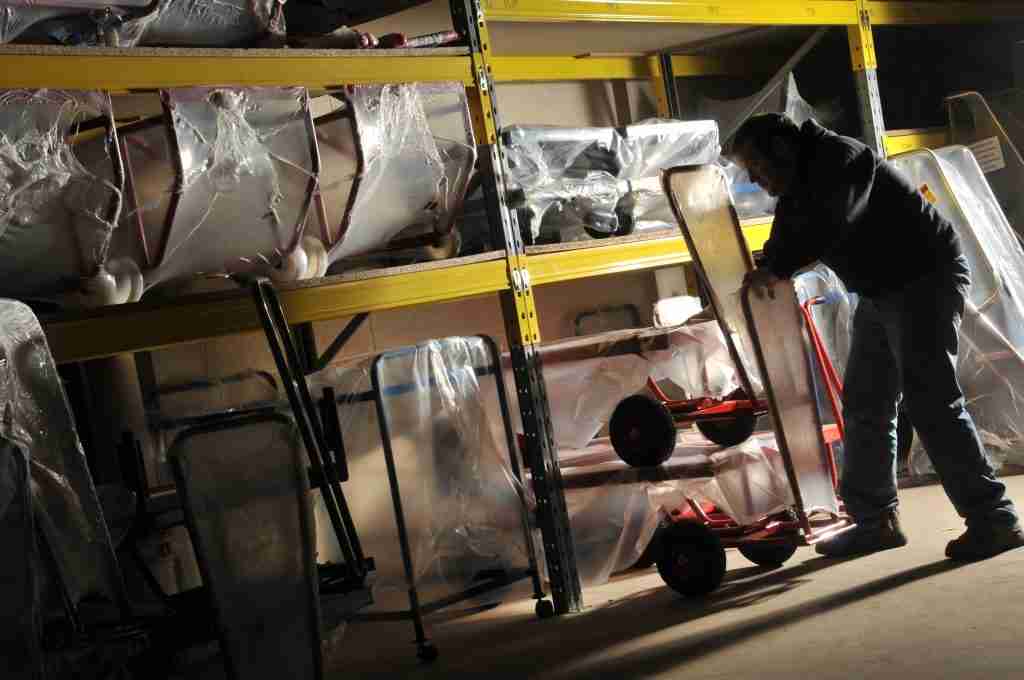
Warehouse racking with products wrapped

Proposed Change 4: Broader Diagnosis of Reportable Diseases

Currently, only doctors registered with the General Medical Council (GMC) can formally diagnose a reportable occupational disease. The proposal extends this to other registered health practitioners (such as occupational health nurses and physiotherapists). This should speed up diagnosis and make compliance easier.

Non-Legislative Change: Simpler Online Reporting Form

The HSE also wants to improve the usability of the online reporting portal to reduce both under-reporting and over-reporting.

What These Changes Could Mean for Your Site

If implemented, expect:

  • A likely increase in reportable occupational disease cases (particularly dust, noise, and chemical-related)
  • Greater focus on health surveillance programmes
  • Slightly higher administrative workload in the short term
  • Stronger national data to drive prevention across high-risk sectors

Practical Checklist: How to Prepare Before 30 June 2026

Proactive managers should act now:

  • Review your current incident reporting and investigation procedures
  • Audit health surveillance arrangements (hearing tests, lung function, skin checks, etc.)
  • Assess exposure risks for the newly reportable diseases in your workplace
  • Brief supervisors and team leaders on the proposed changes
  • Consider submitting a response to the HSE consultation with your practical experience
  • Ensure COSHH assessments, PUWER inspections, and risk assessments are up to date

Prevention Is Better Than Reporting: The Role of Quality Safety Equipment

The most effective way to manage RIDDOR is to prevent incidents before they occur.

High-quality British-made equipment makes a real difference:

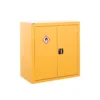
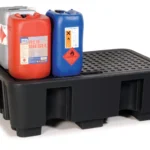
  • COSHH cabinets with adequate sump capacity prevent chemical spills and hazardous substance exposure
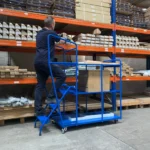
  • Warehouse steps and ladders that meet the latest standards reduce the risk of falls from height
  • Racking protection, corner guards, and bollards help prevent structural failures and falling objects
  • Well-designed lockers and storage solutions keep walkways clear and reduce trip hazards

At HSE Store, every product is designed and manufactured in Britain with real-world compliance and durability in mind.

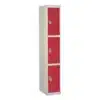
  • QMP High Security Lockers

    From £194.00 Ex. VAT Select options This product has multiple variants. The options may be chosen on the product page
  • QMP Workplace Guard Barriers

    From £245.00 Ex. VAT Select options This product has multiple variants. The options may be chosen on the product page
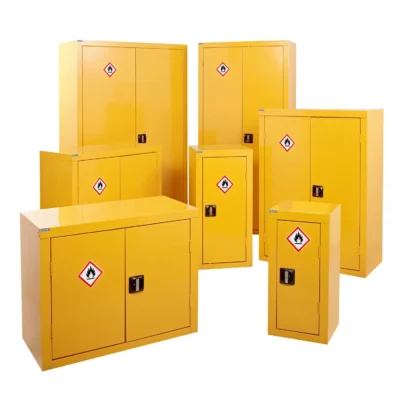
  • QMP Hazardous Substance Cupboards

    From £226.00 Ex. VAT Select options This product has multiple variants. The options may be chosen on the product page


How to Respond to the Consultation

Your practical experience as a site or warehouse manager is valuable to the HSE. Responses can be submitted online via the consultation portal or by email before the 30 June 2026 deadline. Full details are available on the official HSE consultation page.

Final Thoughts

These proposed RIDDOR changes signal a renewed national focus on occupational ill health and modern workplace risks. While they may increase reporting requirements initially, they also present an opportunity to strengthen your overall safety management system and protect your team more effectively.

At HSE Store we believe prevention is always preferable to reporting. Investing in the right access equipment, hazardous substance storage, and workplace safety solutions is one of the most practical ways to stay ahead of regulatory change and reduce long-term risk.

If you would like expert advice on compliant COSHH storage, warehouse steps, ladders, or racking protection, our team is ready to help. Get in touch for a no-obligation quote.

Need help preparing for the possible RIDDOR changes? Contact HSE Store today.

Sources & Further Reading

– HSE Consultation on proposals for The Reporting of Injuries, Diseases and Dangerous Occurrences Regulations 2013 (opened 7 April 2026, closes 30 June 2026): [View the full consultation](https://consultations.hse.gov.uk/hse/proposals-riddor-2013/)
– HSE Press Release – RIDDOR consultation launch: [Read the announcement](https://press.hse.gov.uk/2026/04/07/hse-launches-consultation-on-workplace-injury-and-illness-reporting/)
– Current RIDDOR guidance: [HSE RIDDOR overview](https://www.hse.gov.uk/riddor/)
– Reportable incidents under RIDDOR: [HSE guidance](https://www.hse.gov.uk/riddor/reportable-incidents.htm)

Last updated: May 2026. This article reflects the HSE consultation proposals as of April 2026 and is for information only. Always refer to official HSE guidance and seek professional advice for your specific compliance needs.

Leave a Reply
shopping cart close