
-
Equipment Inspections – Daily Checklist Kits
£124.00 Ex. VAT Select options This product has multiple variants. The options may be chosen on the product page -
Equipment Inspections – Weekly Checklist Kits
£40.00 Ex. VAT Select options This product has multiple variants. The options may be chosen on the product page






What harness inspections are required?
Fall-protection harnesses are PPE and work equipment used for work at height. The Work at Height Regulations require inspection at suitable intervals and after anything that could have affected safety. The PPE at Work Regulations require the equipment to be maintained. PUWER still applies because it is work equipment.
There is no single interval written into the Regulations. Practice follows three layers:
- A pre-use check by the wearer, every time, in good light, looking and feeling along the webbing.
- A detailed inspection by a competent person who knows that product and the manufacturer’s criteria. BS EN 365 sets periodic examination at least every 12 months. HSE leaflet INDG367, written for energy-absorbing lanyards and applied in the same way to textile fall-arrest kit, recommends no more than six months, or three months in arduous work such as demolition, scaffolding or steel erection.
- An extra inspection after a fall, a shock load, chemical contamination, or issue from a third party.
A completed tick sheet is not a substitute for withdrawing kit that has arrested a fall. That item comes out of service until a competent person says otherwise — or it is scrapped.
What should a harness pre-use check cover?
The check is visual and tactile. Run the webbing through the hands; do not rely on a glance at the D-ring.
The Harness Inspection Books walk through textile integrity, hardware and the inspection label. The product listing covers:
- Webbing on shoulder, chest, leg and sub-pelvic straps, plus stitching, for cuts, abrasion or contamination
- D-rings, karabiners, buckles and snap hooks for distortion or corrosion
- Legible labels and whether the harness is still inside the manufacturer’s service life
Do this in good light before the wearer clips on. If the webbing is glazed, nicked, stained by chemicals or the hardware is bent, the harness is not used. The same look applies after the job if the kit has been dragged over steel or left in the wet.
Keep the status tag on the bag or storage hook. Do not wrap it around the webbing.
How the Good to Go inspection system works
The tag tells the next person whether that harness was last signed off. It should not hide the parts they still need to see.
- Complete the harness checklist — wearer for pre-use, competent person for the detailed inspection.
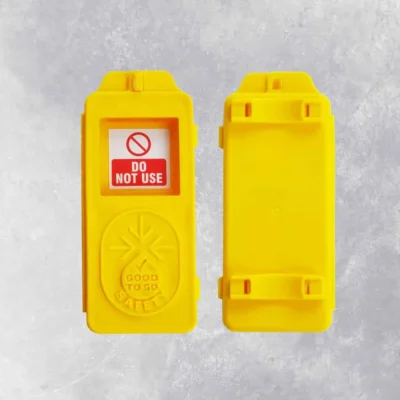
- Put the top copy in the status tag at the storage point so the kit shows as good to go or do not use.
- Leave the carbon copy in the book as the PPE record.
- Seal the tag so the date cannot be swapped without it showing.
- After a fail, or after a fall, the tag stays on do not use until the item is repaired, revalidated or destroyed.
Daily kits suit sites that record a check every working day. Weekly kits suit a recorded weekly look. Neither kit sets the detailed-inspection interval; that comes from the manufacturer and your competent person.
The inspection station and dispenser keep books and withdrawn kit in one place so a failed harness does not go back in the general bag.
Choose the right harness inspection products
The printed items for this PPE are the book and the poster. The rest is shared Good to Go hardware.
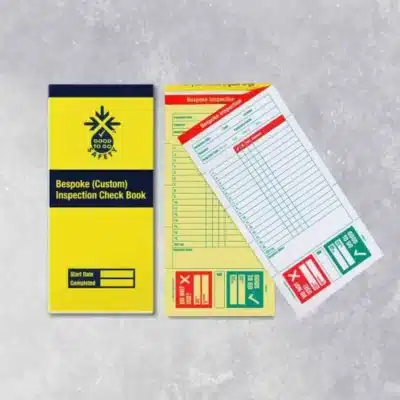
- Harness Inspection Books – 25 Checklists — carbon-copy sheets for harness pre-use and recorded inspections.
- Create Your Own Inspection Books – 25 Checklists — blank books if you inspect a mixed height kit on one house form.
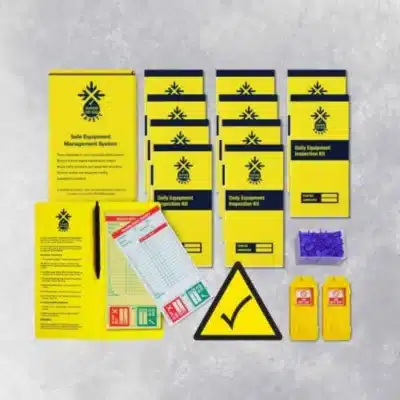
- Equipment Inspections – Daily Checklist Kits — select the harness option. Checklists, tags, seals, wallet and pen.
- Equipment Inspections – Weekly Checklist Kits — harness option for a weekly recorded check.
- Good To Go Safety Status Tag and Anti-Tamper Seals (Pack of 100) — fit at storage, not over load-bearing webbing.
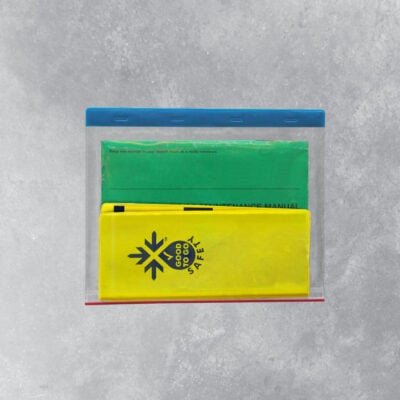
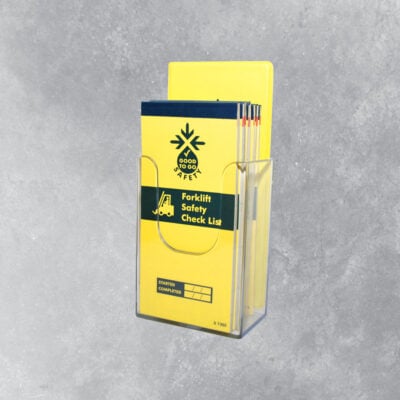
- Weather Resistant Inspection Holder, Check Book Wallet & Pen and Equipment Inspection Book Dispenser — keep the current book with the PPE store.
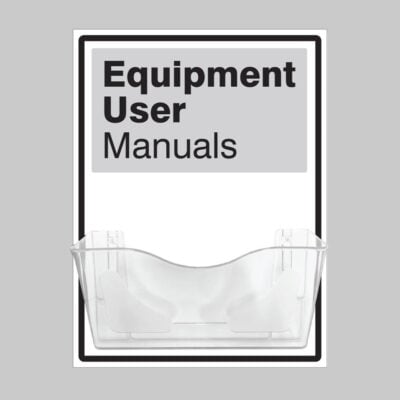
- Inspection Information Station and Equipment User Manuals – Document Holder — wall storage for books, registers and manufacturer instructions.
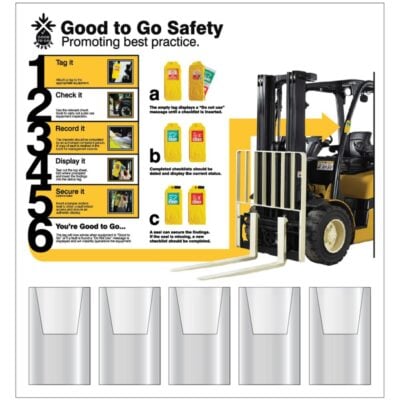
- Harness Inspection – A2 Safety Poster — wipe-clean reminder of the check points.
A harness used with a forklift work platform or a MEWP still needs this check. The machine has its own book.
Who these products are for
They are for people who issue and wear fall-protection harnesses:
- Steel, roofing, façade and scaffolding crews checking kit before they clip on
- Facilities and maintenance teams working at height on plant or buildings
- Supervisors who need a dated record in the PPE store
- Hire and contract companies issuing harnesses to different users
- Safety managers running a register between detailed inspections
If the same store holds lanyards, inertia reels or rope access kit, confirm the printed harness list covers those items before you put them on the same sheet.
Harness inspection FAQs
How often must a safety harness be inspected?
The wearer checks it before every use. A competent person carries out a detailed inspection at an interval set by risk assessment and the manufacturer. HSE INDG367 commonly points to six months, or three months in arduous conditions. BS EN 365 sets a floor of 12 months.
Is a pre-use check enough on its own?
No. It catches obvious damage. It does not replace the detailed inspection or the manufacturer’s service-life limit.
Who can do the detailed inspection?
Someone competent for that product — they must know the manufacturer’s criteria and have the authority to take the harness out of service.
What if the harness has arrested a fall?
Withdraw it immediately. Do not put it back on the wall with last month’s tag.
Should the status tag be tied to the harness?
Attach it at the storage point or bag so it does not cover webbing or hardware. The wearer still needs to see and feel the straps.
Do daily and weekly kits replace a six-month detailed inspection?
No. They record more frequent checks. Keep the detailed inspection on its own cycle.
Free UK mainland delivery on orders over £50. Trade discounts and bespoke options are available if you need a different checklist layout or larger PPE-store packs.