
-
Equipment Inspections – Daily Checklist Kits
£124.00 Ex. VAT Select options This product has multiple variants. The options may be chosen on the product page -
Equipment Inspections – Weekly Checklist Kits
£40.00 Ex. VAT Select options This product has multiple variants. The options may be chosen on the product page





What tractor inspections are required?
An agricultural or industrial tractor is work equipment under PUWER. It must be suitable for the job, maintained in an efficient state, and inspected where deterioration could create danger. HSE’s machinery guidance expects a basic check before work: brakes, wheels and tyres, guards (especially PTO shaft guards), stopping devices, marked controls, safe access, and hitching points.
There is no automatic LOLER thorough examination for a tractor that only tows or drives an implement through the PTO. LOLER applies when the tractor is used for lifting — a loader handling a suspended load, for example. That lifting arrangement needs its own examination interval. Roadworthiness for public roads is a separate duty and is not what these books record.
These products support the recorded pre-start check. They do not replace the operator’s handbook, a PTO guard, or an examination of lifting equipment.
What should a tractor pre-use check cover?
Do the walk-round before the PTO turns.
The Tractor Inspection Books are written for agricultural and industrial tractors. The product listing covers:
- Power take-off system, attachment couplings, wheels and tyres
- Fluids, radiator, fan belts and high-pressure hydraulic lines
- Cab visibility, seating, dashboard instruments and access steps
Look at the PTO shield and the shaft guard along its length. A cracked or missing guard is a reason to stop, not a note for later. Check the pick-up hitch or drawbar pin and clip. Confirm mirrors are usable before you reverse.
A front loader, backhoe or trailed implement is extra equipment. Check it is coupled correctly, then use the matching inspection book if the printed tractor list does not cover that attachment.
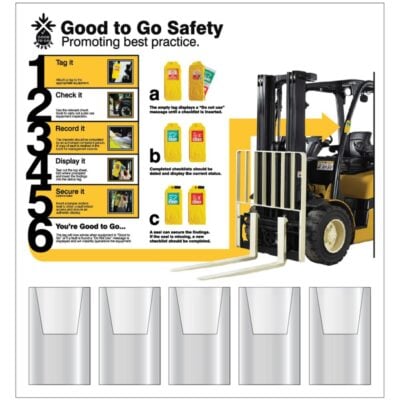
How the Good to Go inspection system works
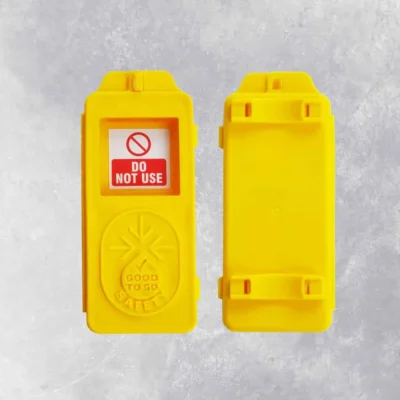
The tag sits at the cab door, where the next driver climbs in.
- Complete the tractor checklist at the start of the day or shift.
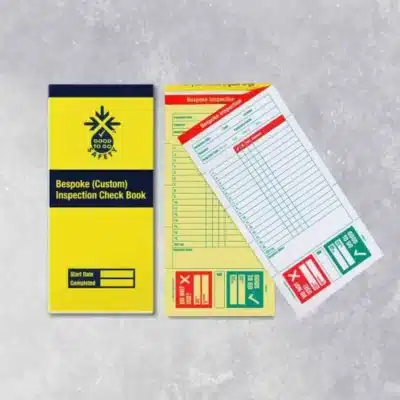
- Put the top copy in the status tag so the machine shows as good to go or do not use.
- Leave the carbon copy in the book as the farm or depot record.
- Seal the tag so yesterday’s sheet cannot cover a guard found damaged this morning.
- After a hitch change, a knock on the cab or work on the hydraulics, complete a new sheet before the tractor goes out again.
Daily kits match a pre-start record through a busy season. Weekly kits suit a recorded weekly inspection where that is what has been set. Neither kit is a manufacturer service or a LOLER report.
Holders and the inspection station keep books in the workshop so the pad is not living under a seat in a different cab.
Choose the right tractor inspection products
The printed items for this machine are the book and the poster. The rest is shared Good to Go hardware.
- Tractor Inspection Books – 25 Checklists — carbon-copy pre-start sheets for agricultural and industrial tractors.
- Create Your Own Inspection Books – 25 Checklists — blank books if a house form or an unusual implement set is not covered.
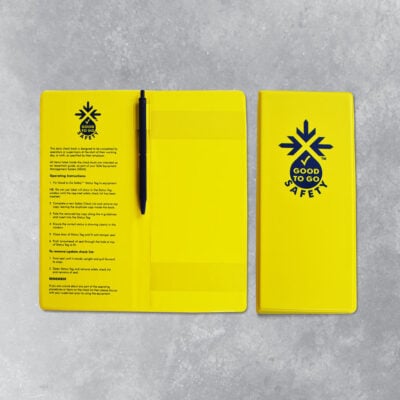
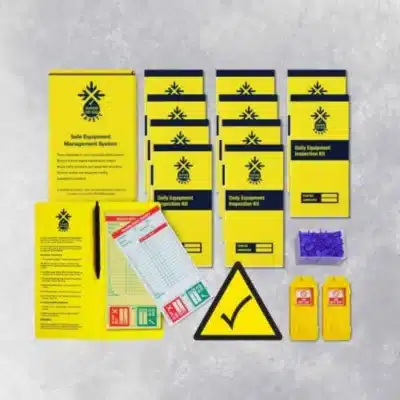
- Equipment Inspections – Daily Checklist Kits — select the tractor option. Checklists, tags, seals, wallet and pen.
- Equipment Inspections – Weekly Checklist Kits — tractor option for a weekly recorded inspection.
- Good To Go Safety Status Tag and Anti-Tamper Seals (Pack of 100) — fit at the cab entry.
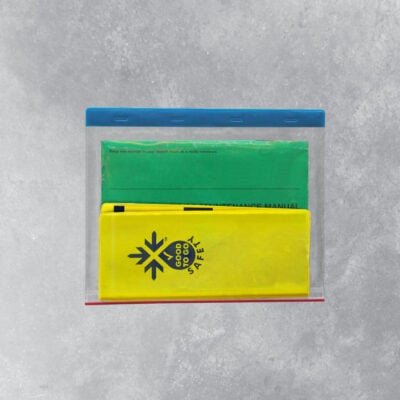
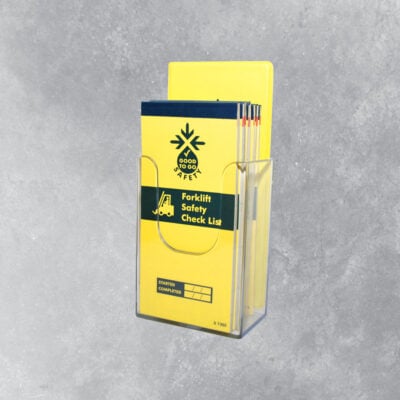
- Weather Resistant Inspection Holder, Check Book Wallet & Pen and Equipment Inspection Book Dispenser — keep the current book in the cab or workshop.
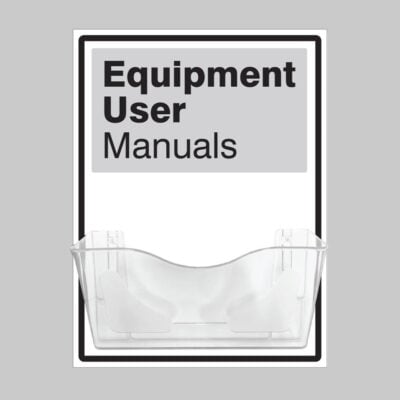
- Inspection Information Station and Equipment User Manuals – Document Holder — wall storage for books and the operator handbook.
- Tractor Inspection – A2 Safety Poster — wipe-clean reminder of the pre-use points.
A warehouse tow tractor, telehandler or dedicated loading shovel has its own book. A trailer has its own book.
Who these products are for
They are for people who start a tractor, not a warehouse tug:
- Farm and estate operators doing the morning walk-round
- Grounds, forestry and construction teams using an industrial tractor
- Workshop supervisors collecting books at the end of the day
- Hire desks issuing tractors with a consistent check method
- Safety managers keeping pre-start records through the season
If the same yard also runs telehandlers or trailer trains, keep those on their own Good to Go books.
Tractor inspection FAQs
Does a farm tractor need a LOLER thorough examination?
Not for ordinary field work and towing. LOLER applies when the tractor is used for lifting. PUWER still requires the tractor to be maintained and checked.
How often should the book be completed?
Before work each day the tractor is used is the usual pattern. Follow the manufacturer’s service intervals as well.
Is the PTO guard part of this check?
Yes. HSE expects PTO shields and shaft guards to be fitted and looked at regularly when the tractor is in use.
Can I use the tow tractor book on a farm tractor?
No. That book is for warehouse tugs. Use the tractor book here.
Where should the status tag go?
At the cab entry, where the next operator will see it before they climb in.
Does this book cover the loader and the trailer?
It covers the tractor and its couplings. Use the front loader and trailer books for those items when the printed tractor list does not.
Free UK mainland delivery on orders over £50. Trade discounts and bespoke options are available for fleet packs or a different checklist layout.