-
Equipment Inspections – Daily Checklist Kits
£115.07 Ex. VAT Select options This product has multiple variants. The options may be chosen on the product page -
Equipment Inspections – Weekly Checklist Kits
£36.84 Ex. VAT Select options This product has multiple variants. The options may be chosen on the product page


What MEWP inspections are required?
A mobile elevating work platform is lifting equipment used to lift people. LOLER therefore requires a thorough examination by a competent person at least every six months, unless a written examination scheme sets a different interval. That report belongs with the machine. An operator card does not replace it.
PUWER still applies: the MEWP must be suitable, maintained and used by people who have been trained and familiarised on that model. The Work at Height Regulations cover how the task is planned, including rescue. CDM adds duties on construction work.
The operator check is separate. Industry practice is a pre-use inspection at the start of each shift, against the manufacturer’s manual, with a record kept so the next person can see it was done. Hire fleets often add a pre-hire check before the machine leaves the depot.
These products record the site check. They are not the six-month thorough examination and they are not a training certificate.
What should a MEWP pre-use check cover?
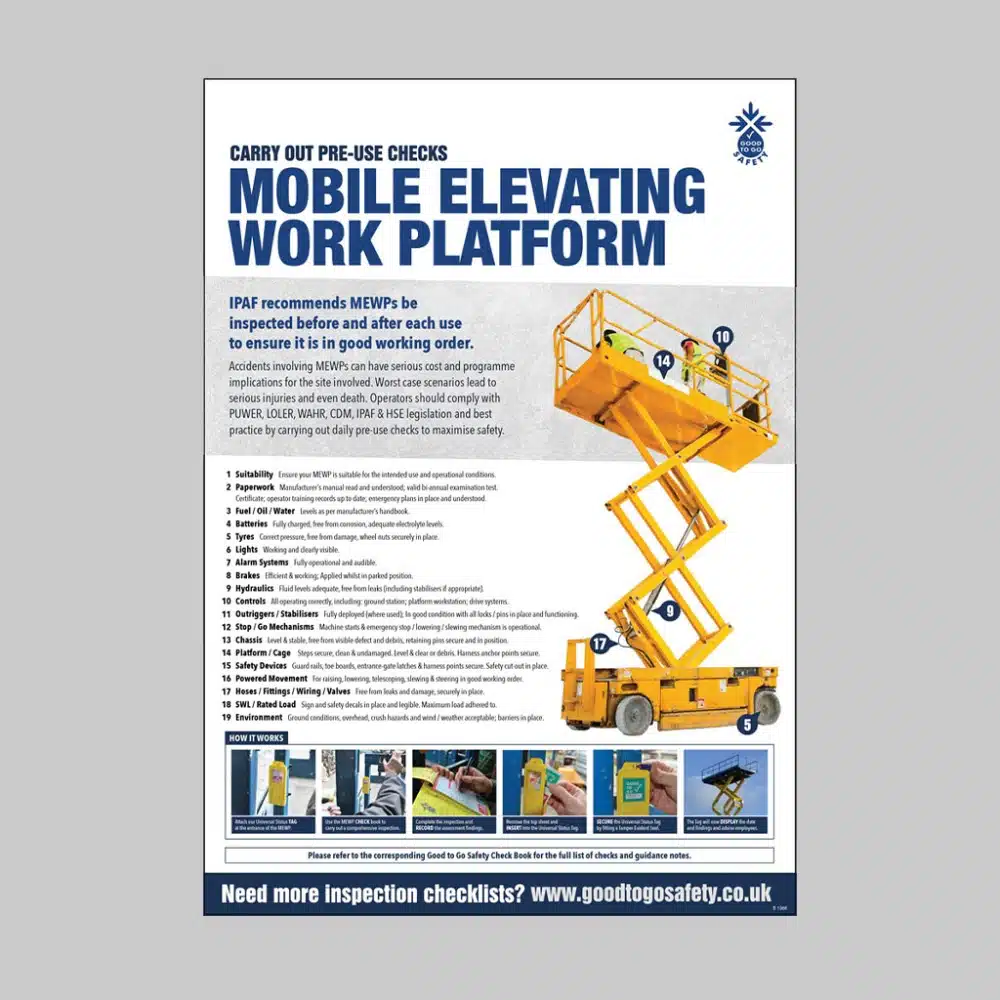
Do the walk-round before anyone is raised. Ground conditions, tyres or tracks, and the platform itself all matter.
The MEWP Inspection Books are written for scissor lifts, boom lifts and cherry pickers. The product listing covers:
- Basket, guardrails, access gates and chassis for cracks, fatigue or impact damage
- High-pressure hoses, cylinders, outriggers and tyre condition
- Ground and platform controls, emergency descent and safety alarms
Confirm emergency lowering works from the ground before the platform goes up. If a gate will not stay closed, an outrigger will not set or an alarm is dead, isolate the machine, remove the key where you can, and set the tag to do not use.
A harness used from the platform is extra PPE. Check it on its own regime; do not treat the MEWP sheet as a harness inspection.
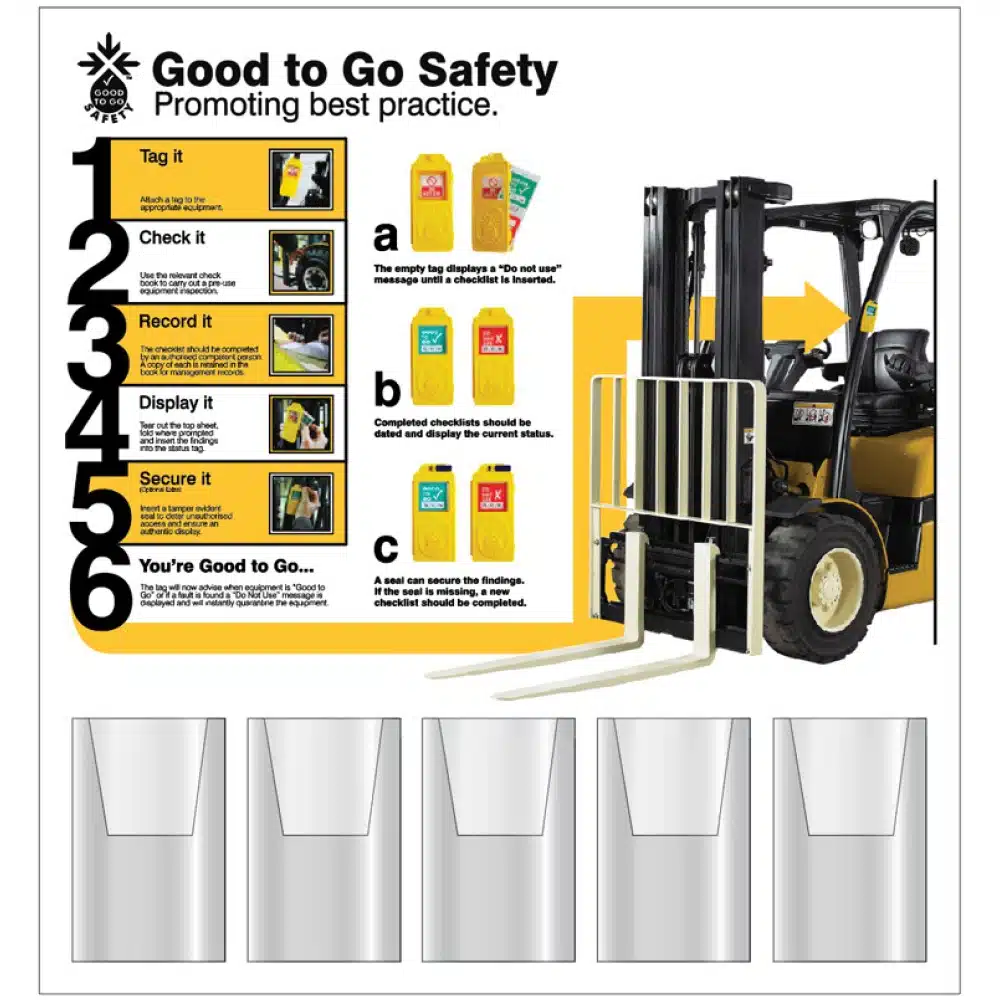
How the Good to Go inspection system works
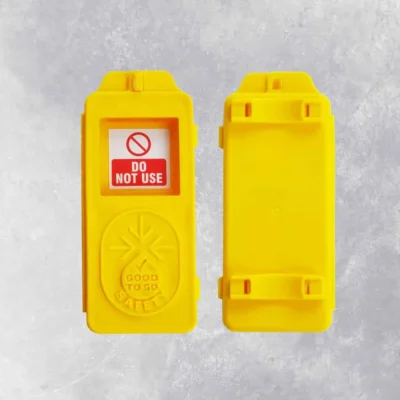
The tag sits at the point of entry to the platform, not only in the van.
- The operator completes the MEWP checklist at the start of the shift.
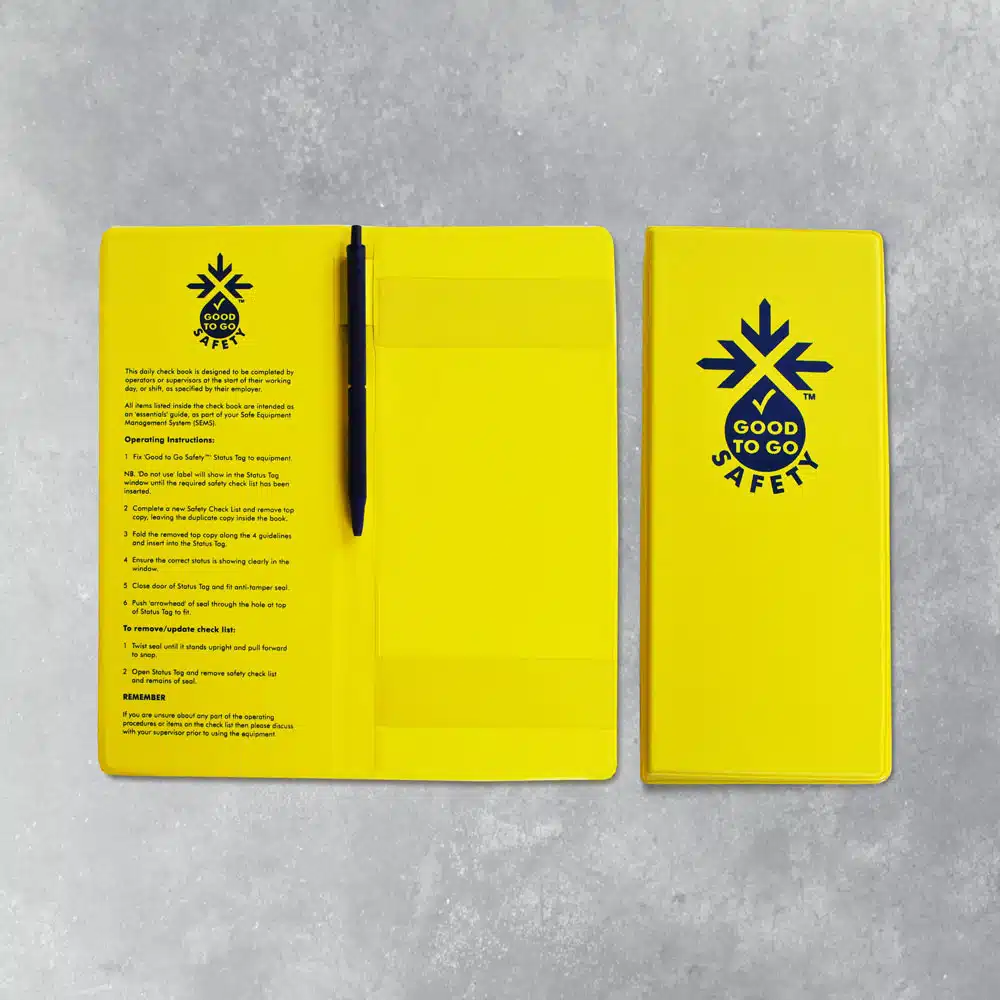
- The top copy goes into the status tag so the machine shows as good to go or do not use.
- The carbon copy stays in the book as the fleet record.
- An anti-tamper seal closes the tag so last week’s sheet cannot cover this morning’s fault.
- After a defect, isolate the MEWP and leave it tagged out until it is repaired and checked again.
Daily kits match a start-of-shift record. Weekly kits suit a recorded weekly inspection where that is what has been set. Neither kit is the six-month examination.
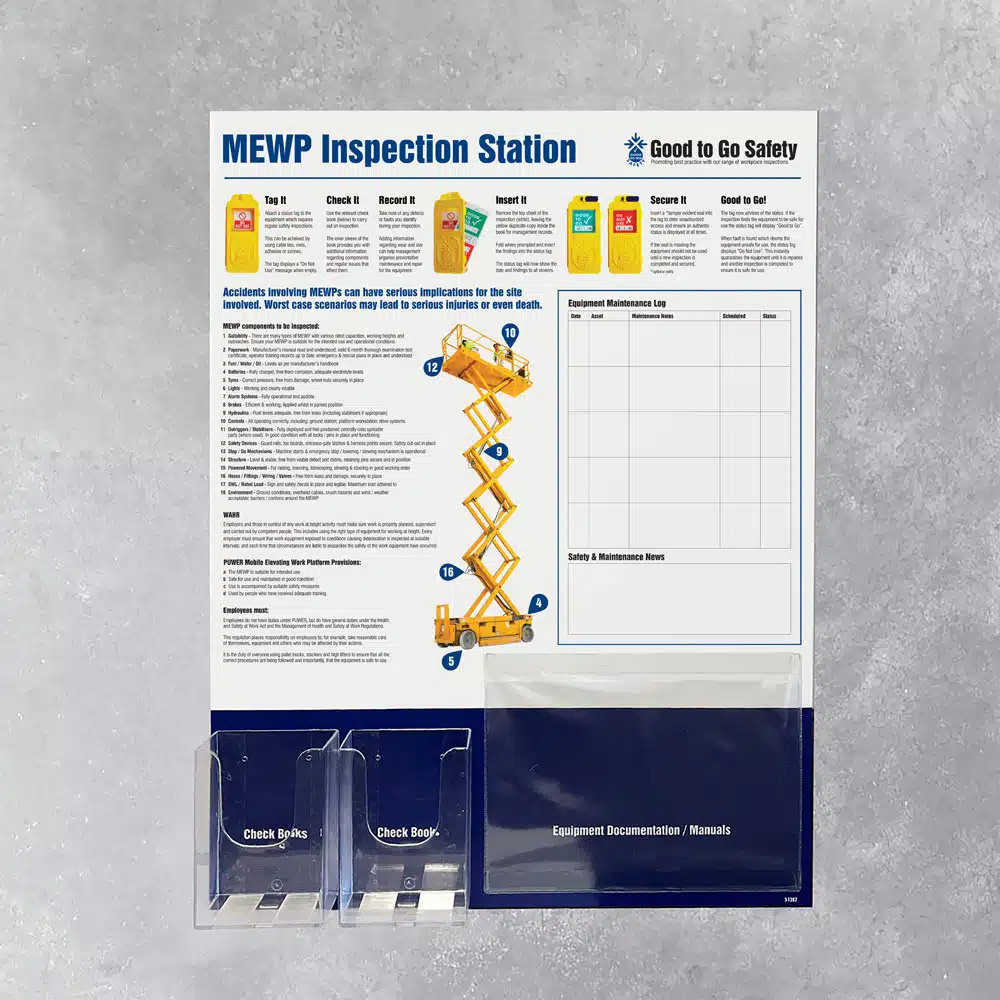
The MEWP Inspection and Maintenance Station gives the compound a wall for spare books, manuals and a dry-wipe fault list so a tagged-out scissor is not mixed back into the hire line.
Choose the right MEWP inspection products
The printed items for this machine are the book and the poster. There is also a dedicated MEWP station. The rest is shared Good to Go hardware.
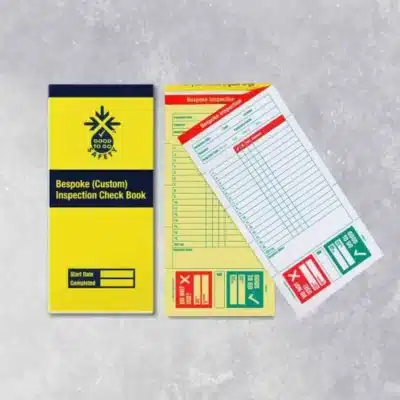
- MEWP Inspection Books – 25 Checklists — carbon-copy pre-use sheets for scissor lifts, boom lifts and cherry pickers.
- Create Your Own Inspection Books – 25 Checklists — blank books if a house form or an unusual vehicle-mounted platform is not covered.
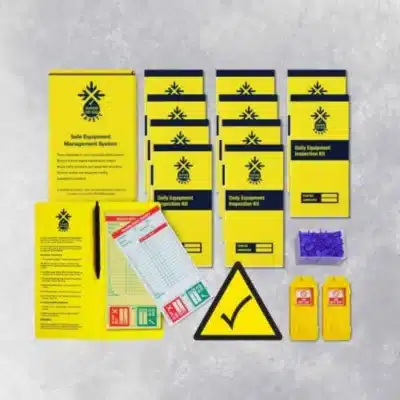
- Equipment Inspections – Daily Checklist Kits — select the MEWP option. Checklists, tags, seals, wallet and pen.
- Equipment Inspections – Weekly Checklist Kits — MEWP option for a weekly recorded inspection.
- MEWP Inspection and Maintenance Station — wall-mounted board for books, guidance and maintenance notes on shift-based fleets.
- Inspection Information Station — larger central board if the same wall also holds other equipment books.
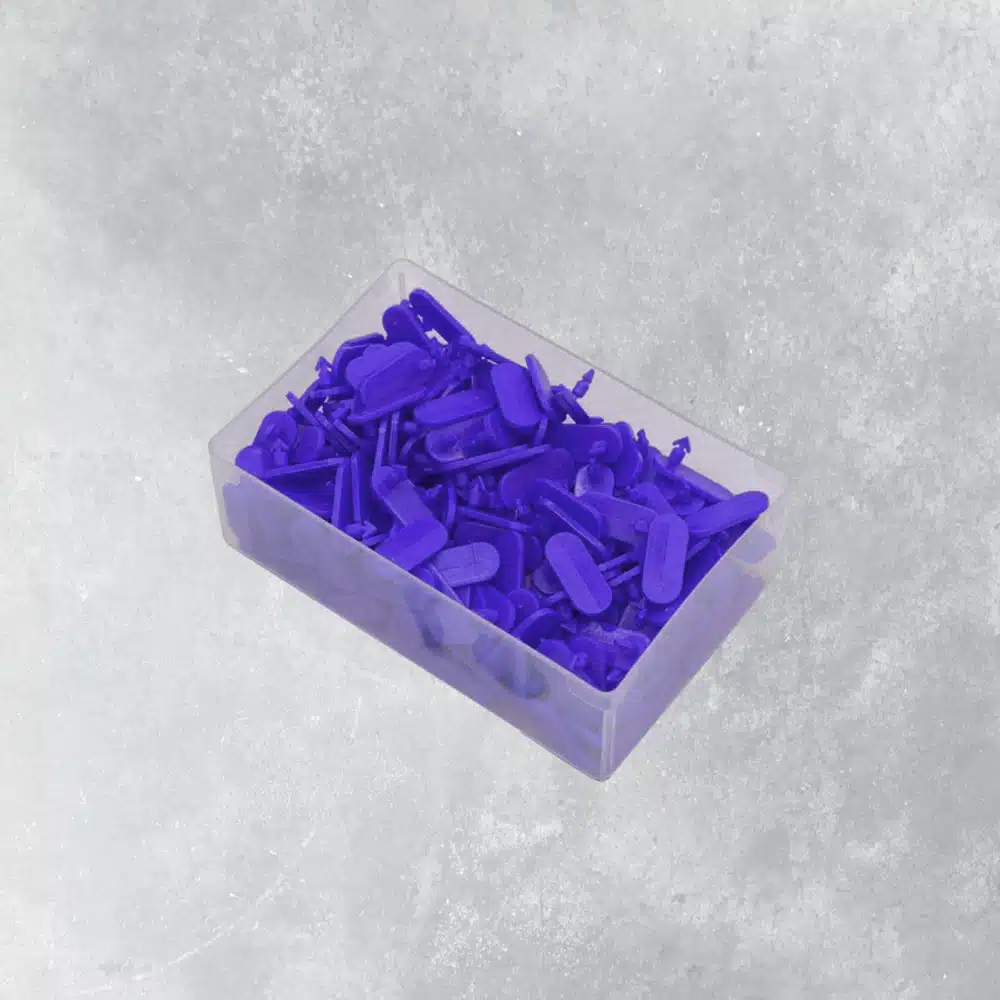
- Good To Go Safety Status Tag and Anti-Tamper Seals (Pack of 100) — fit at the platform entry.
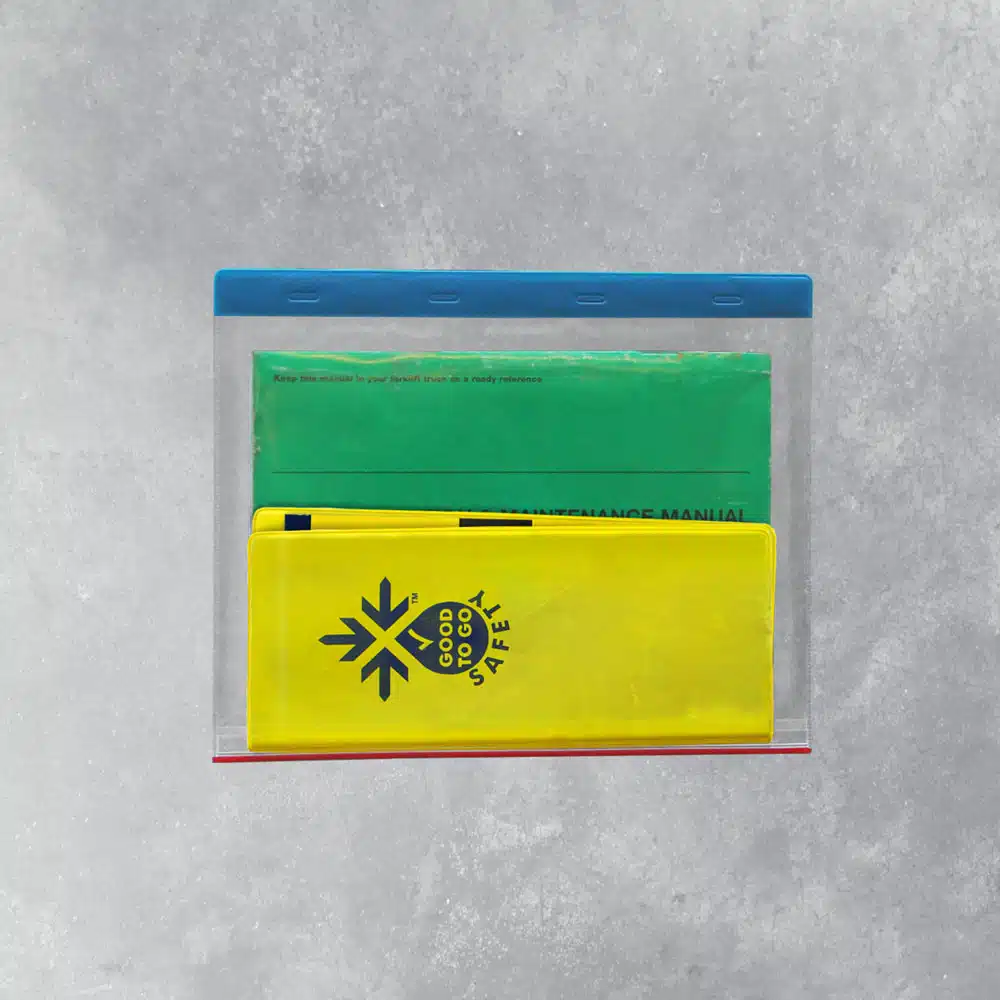
- Weather Resistant Inspection Holder, Check Book Wallet & Pen and Equipment Inspection Book Dispenser — keep the current book with the machine or in the yard office.
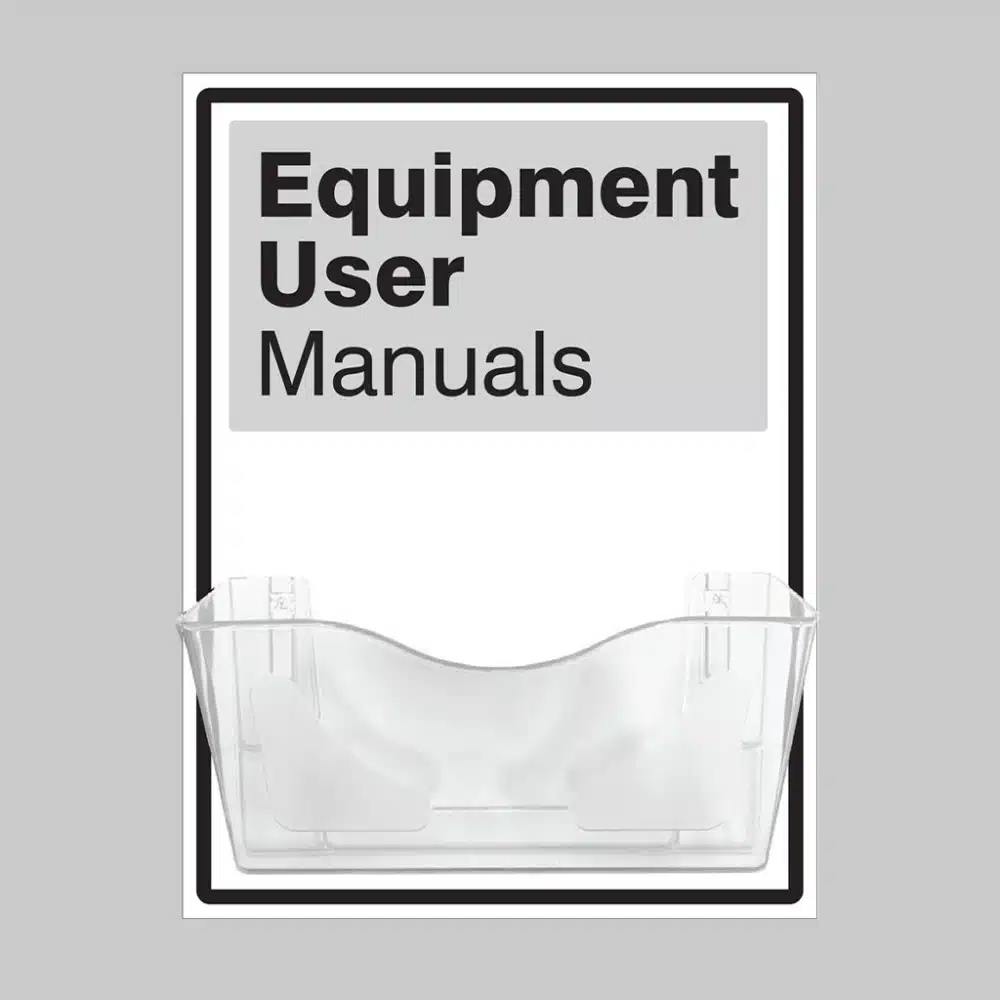
- Equipment User Manuals – Document Holder — for the handbook the pre-use check should follow.
- MEWP Inspection Checklist – A2 Safety Poster — wipe-clean reminder of the daily points.
A forklift work platform is a different attachment and has its own book. A scaffold tower is not a MEWP.
Who these products are for
They are for people who send a platform up with someone in it:
- Operators of scissor lifts, articulating and telescopic booms, and vehicle-mounted platforms
- Facilities and maintenance teams using a MEWP in a warehouse or plant room
- Construction and fit-out contractors sharing hired machines across shifts
- Access-hire desks issuing a MEWP with a consistent check method
- Safety managers keeping pre-use records between six-month examinations
If the same site also uses podium steps or towers for lower work, keep those on their own books.
MEWP inspection FAQs
How often does a MEWP need a LOLER thorough examination?
At least every six months, because it lifts people, unless an examination scheme sets another interval. Keep the report with the machine.
Is the daily book that examination?
No. The book records the operator’s pre-use check. The thorough examination is done by a competent person and produces a formal report.
Does an operator card replace the inspection record?
No. Training shows the person can use the machine. The check and the examination show the machine is fit to use.
When should the checklist be completed?
At the start of each shift, and when taking a machine over for the first time. Follow the manufacturer’s manual as well.
Where should the status tag go?
At the platform entry, where the next person would step on. A tag in the cab of a van is easy to miss.
Can I use the forklift work platform book on a scissor lift?
No. That book is for a cage on forks. Use the MEWP book for scissors, booms and cherry pickers.
Free UK mainland delivery on orders over £50. Trade discounts and bespoke options are available for fleet packs or a different checklist layout.