-
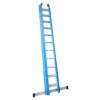
Lyte Glassfibre Professional Combination Ladders – GFLCL Series
From £412.00 Ex. VAT Select options This product has multiple variants. The options may be chosen on the product page -
Lyte Professional Combination Ladders – LCL Series
From £348.00 Ex. VAT Select options This product has multiple variants. The options may be chosen on the product page -
LFI PRo Extender Extension Ladders – H7 Series
From £96.00 Ex. VAT Select options This product has multiple variants. The options may be chosen on the product page -
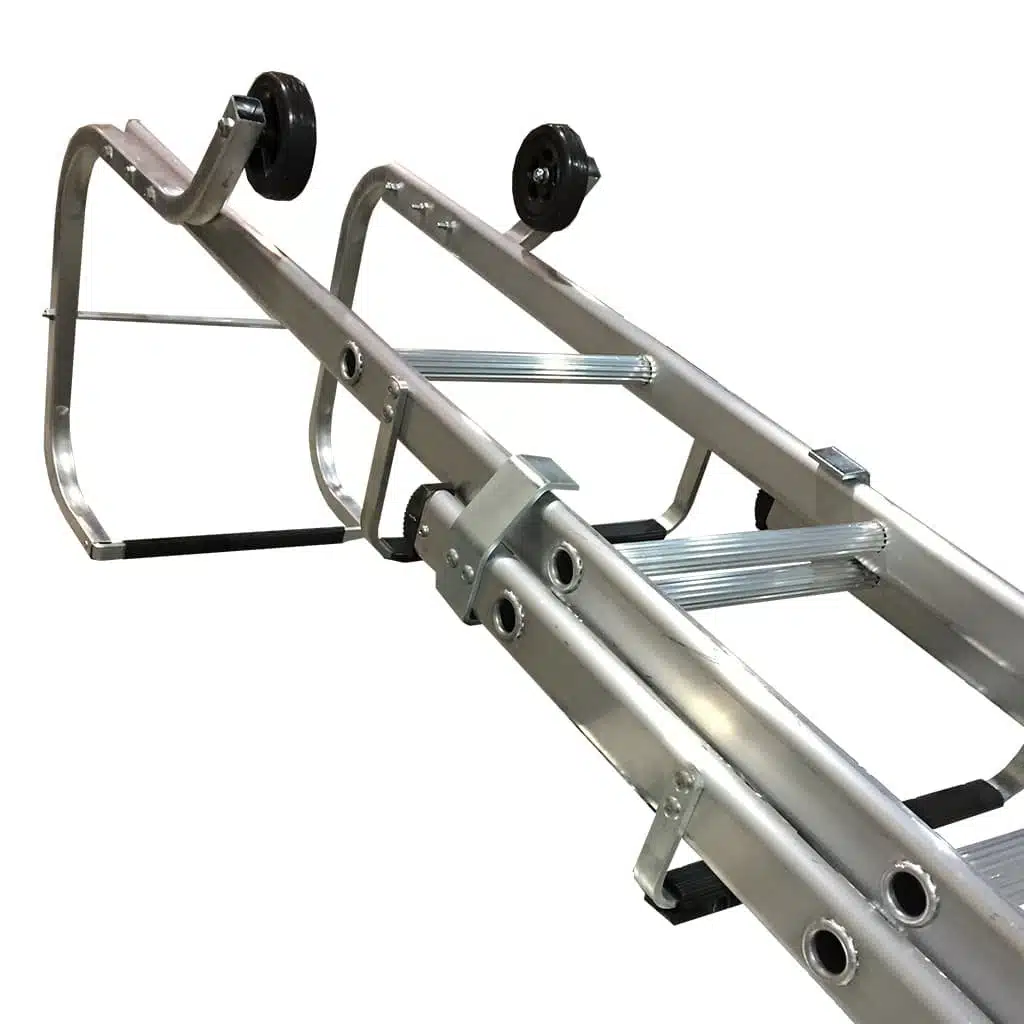
Lyte Trade Roof Ladders – TRL Series
From £217.00 Ex. VAT Select options This product has multiple variants. The options may be chosen on the product page -
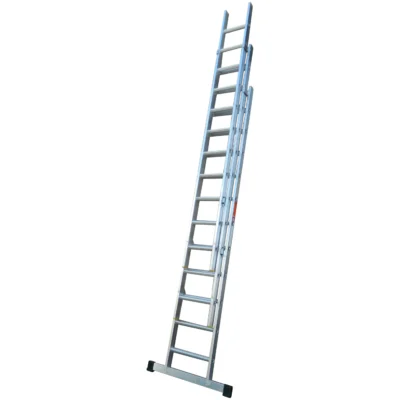
Lyte General Trade Extension Ladders – NGLT Series
From £157.00 Ex. VAT Select options This product has multiple variants. The options may be chosen on the product page -
Lyte Glassfibre Extension Ladders – GFNELT Series
From £240.00 Ex. VAT Select options This product has multiple variants. The options may be chosen on the product page -
TB Davies ROOFER Aluminium Professional Roof Ladder
From £268.00 Ex. VAT Select options This product has multiple variants. The options may be chosen on the product page -
TB Davies TELE-POD Aluminium Industrial Telescopic Podium Step
From £783.00 Ex. VAT Select options This product has multiple variants. The options may be chosen on the product page -
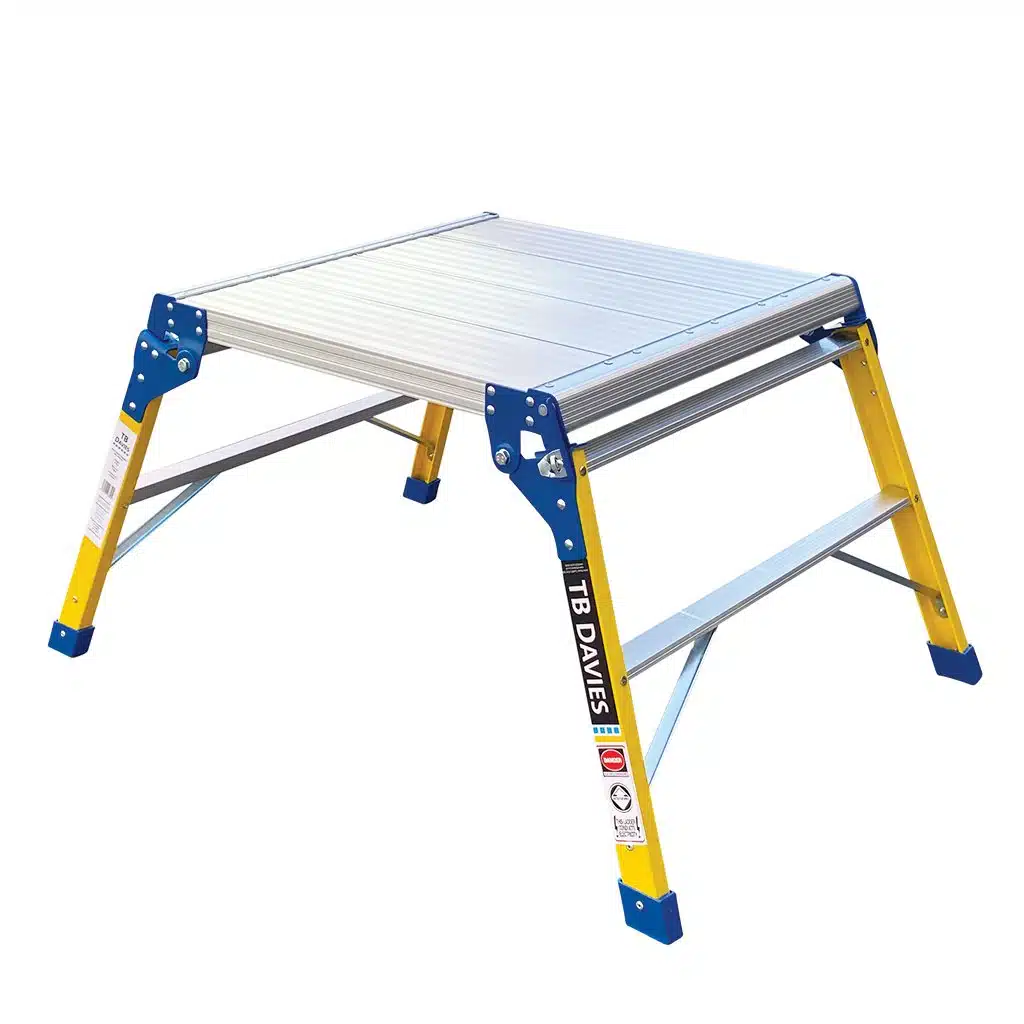
TB Davies DPD-STEP Aluminium Trade Double-Sided Access Platform
From £271.00 Ex. VAT Select options This product has multiple variants. The options may be chosen on the product page -
TB Davies STABLE-STEP Aluminium Industrial Work Step
From £105.00 Ex. VAT Select options This product has multiple variants. The options may be chosen on the product page -
TB Davies BRIDGE-DECK Aluminium Industrial Bridging Platform
From £845.00 Ex. VAT Select options This product has multiple variants. The options may be chosen on the product page -
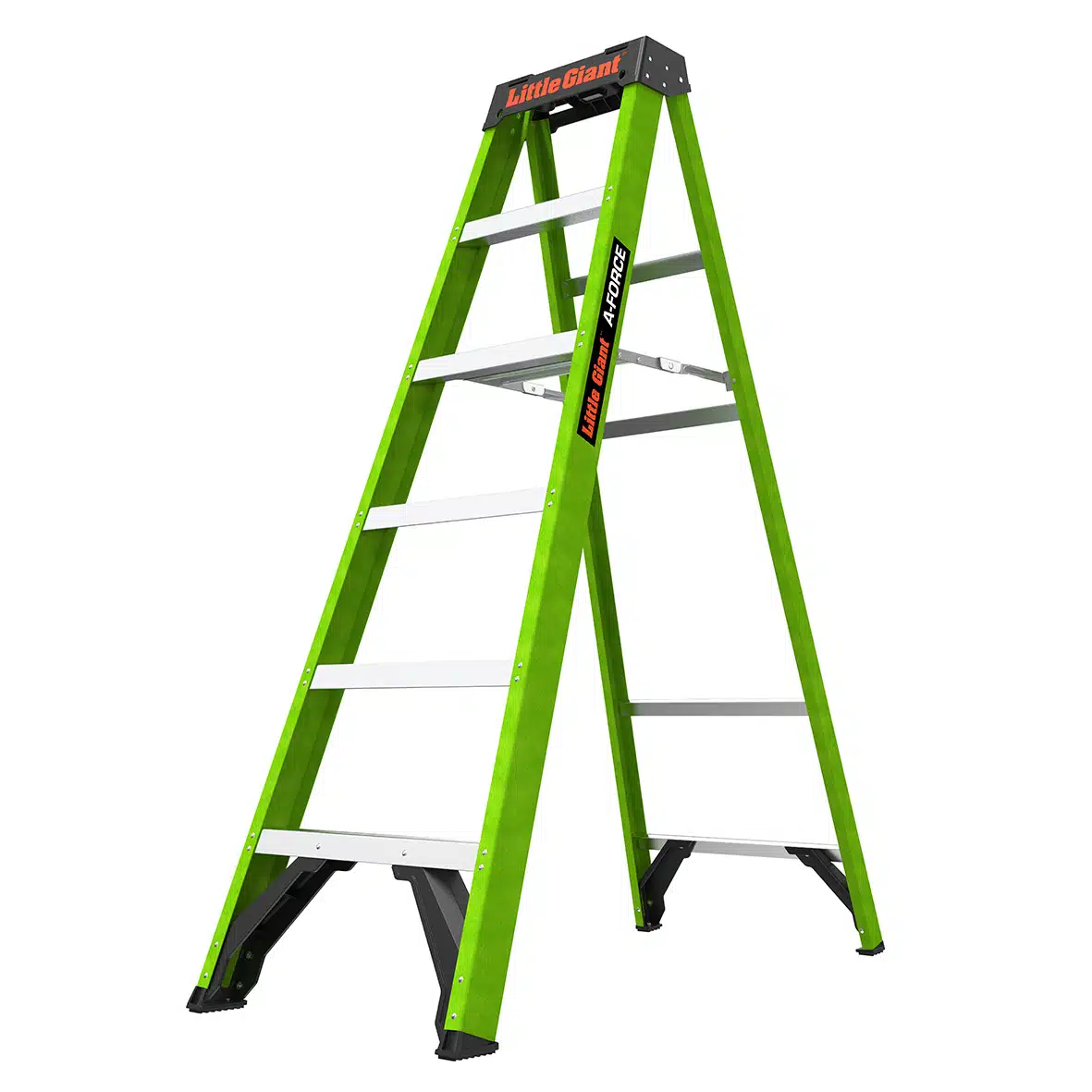
Little Giant A Force Step Ladder
From £116.00 Ex. VAT Select options This product has multiple variants. The options may be chosen on the product page -
TB Davies PRIMA Industrial Combi Ladder
From £298.00 Ex. VAT Select options This product has multiple variants. The options may be chosen on the product page -
TB Davies INSUL8-P Fibreglass Professional Platform Step
From £119.00 Ex. VAT Select options This product has multiple variants. The options may be chosen on the product page -
TB Davies INSUL8-S Fibreglass Professional Swingback Step Ladder
From £75.00 Ex. VAT Select options This product has multiple variants. The options may be chosen on the product page -
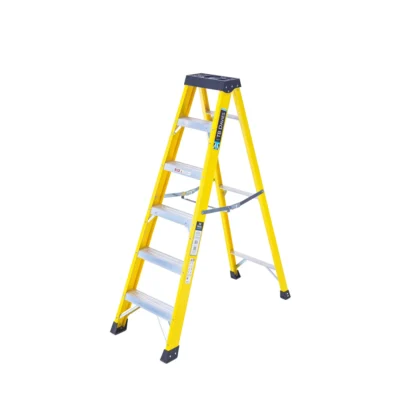
TB Davies Trade Horizon Step Ladder
From £62.00 Ex. VAT Select options This product has multiple variants. The options may be chosen on the product page -
TB Davies PROBAT Industrial Platform Ladder
From £346.00 Ex. VAT Select options This product has multiple variants. The options may be chosen on the product page




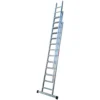
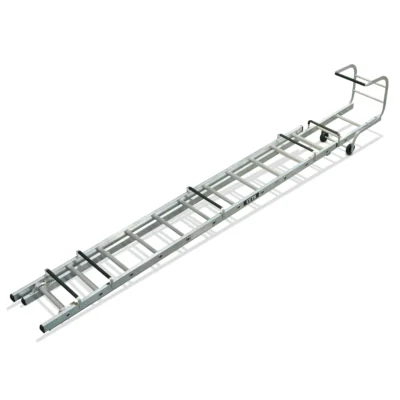











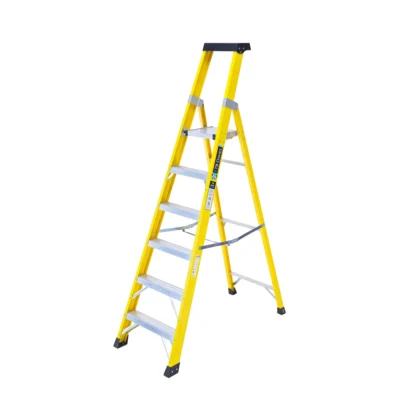
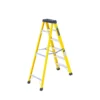
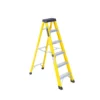
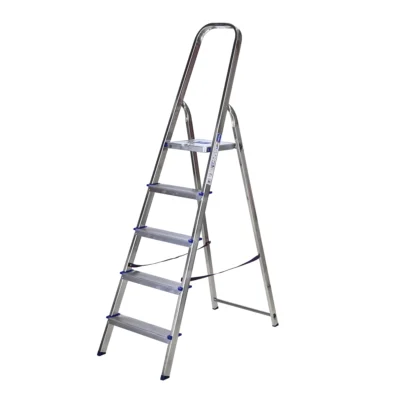


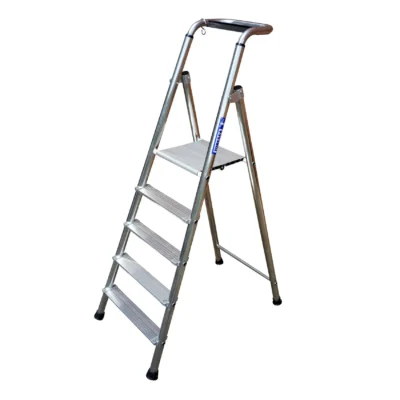
Professional Access Equipment for the Workplace
Access equipment provides practical solutions for reaching elevated areas, carrying out work at height and safely accessing equipment, storage and infrastructure across professional working environments. At HSE Store, we supply access equipment for construction, maintenance, warehousing, facilities management, manufacturing, engineering and commercial workplaces.
Our range is designed to cover a wide variety of access requirements, from routine low-level tasks through to more demanding elevated work and specialist industrial applications. By offering different types of access equipment, configurations, working heights and mobility options, we help businesses select equipment suited to the task, environment and frequency of use.
Access Equipment for Professional Workplaces
Working at height is a routine requirement across many industries. Maintenance teams need access to plant and services, warehouse operatives may need to reach storage locations, construction teams work across changing site conditions, and facilities managers regularly need access to building infrastructure and equipment.
The right access equipment can make these tasks more practical by providing a stable, suitable and purpose-designed working position. The appropriate solution depends on factors such as the required height, duration of the task, working environment, available floor space, frequency of movement and whether the equipment needs to be transported between locations.
A Comprehensive Range of Access Solutions
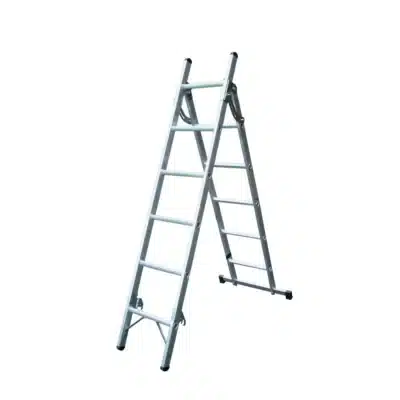
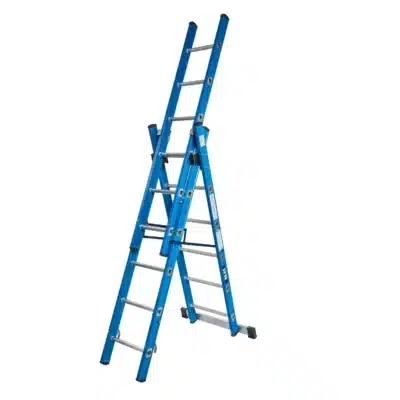
At HSE Store, our access equipment range brings together several complementary types of professional equipment. These include ladders, warehouse mobile steps, podium steps, scaffold towers, work platforms and specialist access platforms, skates and jacks.
Each category is intended for different access requirements. Some solutions prioritise portability and quick deployment, while others provide a larger working area, increased stability or greater access height. Specialist equipment can also address particular operational requirements such as moving heavy equipment or providing elevated access in industrial environments.
This broader approach allows customers to select equipment based on the actual task rather than relying on a single type of access product for every application.
Choosing the Right Access Equipment
The most suitable access equipment depends on more than simply how high you need to reach. Consider the working height, standing position, duration of the task, load requirements, frequency of movement, available space and surrounding working environment before selecting equipment.
For straightforward and frequently repeated access tasks, a compact solution may be preferable. Where workers need a larger standing area or additional protection, a more substantial platform-based solution may be appropriate. Higher-level or more extensive work may require equipment specifically designed for increased access height and stability.
Portability is also important. Equipment used by mobile maintenance teams or contractors may need to be easy to transport and reposition, whereas equipment intended for a fixed warehouse, factory or maintenance area may benefit from a larger footprint and more substantial construction.
Access Equipment for Warehouses & Industrial Environments
Warehouses, factories and distribution environments often require access equipment for tasks ranging from stock handling and replenishment to maintenance, inspection and servicing. Equipment may need to operate around shelving, racking, machinery, production areas and other workplace infrastructure.
For these applications, factors such as stability, manoeuvrability, platform size, working height and ease of positioning can be particularly important. Selecting equipment designed for the environment can help improve access while making routine workplace tasks more efficient.
Access Equipment for Maintenance & Facilities Management
Maintenance and facilities teams regularly need temporary access to lighting, ceilings, building services, machinery, equipment and other elevated areas. Because these requirements can vary considerably between tasks, versatile and easily deployable access equipment can be particularly valuable.
Where equipment is used across multiple areas of a building or site, portability and storage can be just as important as working height. Where tasks involve remaining in position for longer periods, a suitable platform and additional support features may provide a more practical working environment than a basic access product.
Professional Access Equipment for Construction & Trade
Construction and trade applications can present changing access requirements, with equipment frequently needing to be transported, repositioned and adapted to different tasks. Professional access equipment provides options for working at different heights while taking account of the practical demands of active workplaces and construction environments.
Tradespeople, contractors and mobile maintenance professionals can benefit from equipment selected around the specific requirements of their work, whether that means compact portable access for routine tasks or larger solutions for more substantial projects.
Safety, Standards & Product Specifications
Access equipment should always be selected and used in accordance with the manufacturer's instructions and the requirements of the particular working environment. The correct choice depends on the intended task, the equipment's design and the conditions in which it will be used.
Applicable standards, classifications and certification vary between different types of access equipment and between individual products. For this reason, it is important to check the specific product specification, maximum load, working height, permitted configurations and applicable standards before purchase and use.
Where working at height is involved, businesses should also consider their own risk assessments, workplace procedures and relevant legal and safety requirements alongside the manufacturer's guidance.
Materials & Construction
Access equipment is available in different materials and construction types to suit different applications. Aluminium, steel and fibreglass or GRP are among the materials used across professional access products, with the appropriate choice depending on factors such as weight, durability, portability and the intended working environment.
Equipment designed for demanding industrial use may place greater emphasis on robust construction and long-term durability, while portable products may prioritise lower weight and ease of movement. The correct balance will depend on how and where the equipment is going to be used.
Professional Access Equipment from HSE Store
At HSE Store, we supply professional access equipment for businesses that need dependable solutions for routine access, maintenance, warehousing, construction and industrial applications. Our range brings together established access equipment manufacturers and specialist products across multiple categories.
We focus on practical workplace equipment rather than domestic-use products, giving businesses access to solutions designed around the demands of professional environments. Our range also includes options for customers with more specific operational requirements, including specialist and configurable equipment where available.
For larger projects, repeat purchasing or applications where selecting the correct equipment requires more consideration, our team can also assist with product selection and commercial requirements.
Frequently Asked Questions
What is access equipment?
Access equipment is equipment designed to help people safely reach elevated areas or carry out work where additional height or a suitable working position is required. It includes different types of ladders, steps, platforms, towers and specialist access products for professional applications.
What type of access equipment do I need?
The right equipment depends on the height and nature of the task, how long the user needs to remain in position, the available working space, how frequently the equipment will be moved and the surrounding environment. Consider these factors before selecting a product.
What access equipment is suitable for warehouses?
Warehouses may require different access solutions depending on the height of shelving or racking, available floor space and the frequency with which access is required. Mobile steps, ladders, platforms and other specialist equipment can all be suitable for different applications.
What access equipment is suitable for working at height?
The appropriate equipment depends on the specific task and working environment. Different products are designed for different heights, durations and working positions, so equipment should be selected according to the manufacturer's specifications and the requirements identified by the workplace risk assessment.
Is access equipment suitable for industrial use?
Yes. Professional access equipment is widely used in industrial, manufacturing, engineering, warehouse, construction and facilities management environments. Individual products vary in their construction, capacity and intended application, so the specification should always be checked before purchase.
What standards apply to access equipment?
Applicable standards vary according to the type of equipment and its intended use. Individual products may be manufactured or certified to different standards, so the product specification should be checked to establish the relevant requirements for a particular item.