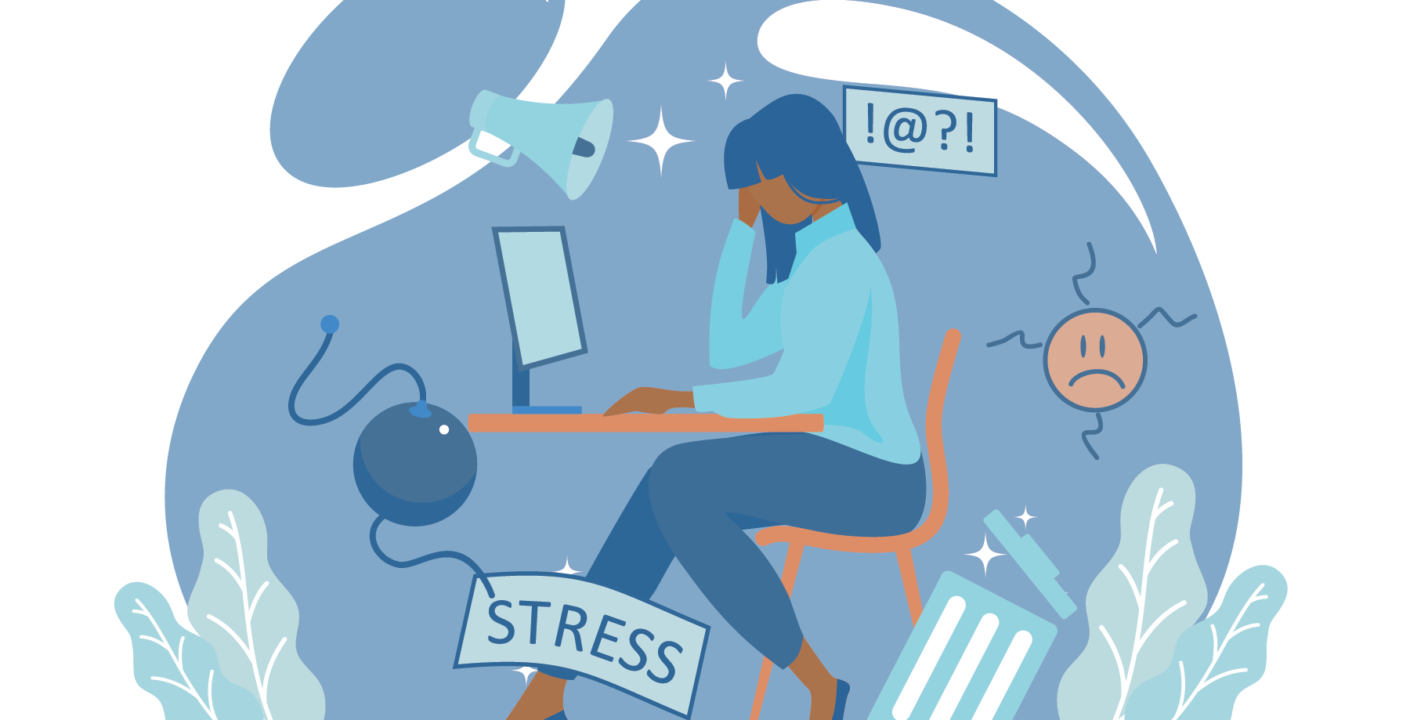
As we move through 2026, the landscape of workplace safety in the UK is undergoing a profound transformation. For decades, Health and Safety (HSE) compliance focused almost exclusively on the “physical”—hard hats, high-vis vests, and guarding machinery. However, the regulatory tide has shifted. Today, mental health is no longer a “soft” HR topic; it is a primary safety hazard that requires the same level of rigorous risk assessment as COSHH or manual handling.
The HSE’s “Working Minds” campaign has set the stage for this transition, signalling to employers that psychosocial risks—those factors in work design, organisation, and management that can cause psychological or physical harm—must be proactively managed. Failing to address these risks is no longer just a management oversight; it is a breach of your legal duty of care. This guide explores how to navigate this new era of mental health safety and implement practical, organisational solutions.
The Legal Mandate: Why 2026 is the Turning Point
Under the Management of Health and Safety at Work Regulations 1999, specifically Regulation 3, every employer has a legal duty to make a “suitable and sufficient assessment” of the risks to the health and safety of their employees. Historically, many businesses interpreted “health” as purely physical. However, current HSE enforcement priorities and case law have clarified that mental health is a core component of this duty.
Failing to conduct a psychosocial risk assessment leaves a business vulnerable to more than just low morale. The HSE has increased its scrutiny of work-related stress, and failing to act on warning signs—such as high staff turnover or rising absenteeism—can lead to formal enforcement actions or improvement notices. The law requires you to treat the “invisible” hazards of stress and burnout with the same technical discipline as a chemical spill.
Duty of Care: You must protect staff from work-related mental ill-health under the Health and Safety at Work Act 1974.
Regulation 3 Compliance: Risk assessments must explicitly include psychosocial hazards to be considered “suitable.”
The 5-Employee Rule: If you employ five or more people, your mental health risk assessment must be documented.
Equality Act 2010: Many mental health conditions qualify as disabilities, requiring “reasonable adjustments” in the workplace.
Official Source: HSE – Risk assessment for work-related stress
The Stress Curve: Finding the Performance "Sweet Spot"
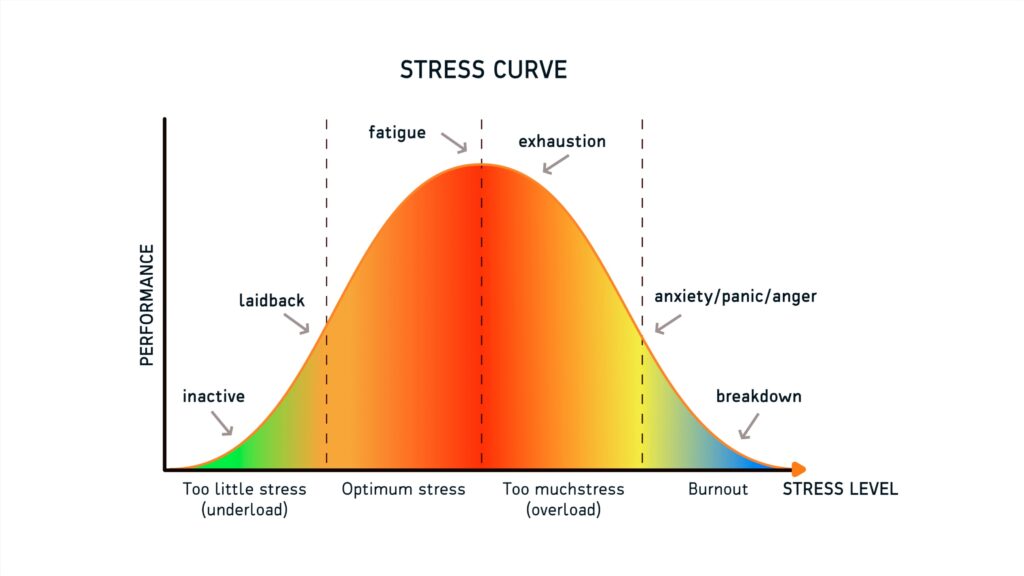
A common misconception is that all stress is “bad.” However, as you may have experienced, human performance follows a curve (the Yerkes-Dodson Law). Too much stress leads to burnout, but too little stress can lead to “boreout”—a state of chronic under-stimulation where employees feel undervalued, stagnant, and disconnected. Both ends of the spectrum are detrimental to mental health.
The goal of a modern facility manager is to keep the team in the “Goldilocks Zone” of optimal arousal. In this zone, staff feel challenged and motivated, with enough pressure to drive focus but enough support to prevent overwhelm. When people have clear goals, realistic timeframes, and work that utilises their skills, they feel a sense of “Value-Added” purpose, which is one of the strongest protectors against mental ill-health.
Under-load (Boreout): Characterised by apathy, low productivity, and a sense of being “useless” or stagnant.
The Sweet Spot: Moderate pressure that creates “Eustress” (positive stress), fostering alertness and motivation.
Over-load (Burnout): Excessive demands lead to anxiety, exhaustion, and physical illness.
The Value Factor: Employees who understand why their work matters are more resilient to fluctuating stress levels.
Goal Clarity: Providing specific, measurable targets helps staff manage their own mental energy.
Identifying Workplace Stressors: The Six Management Standards
To conduct an effective assessment, you must understand what “hazards” you are looking for. The HSE identifies six “Management Standards” that are the primary drivers of work-related stress. These are not individual personality traits but organisational factors that you have the power to control.
Demands: Includes workload, work patterns, and the physical work environment.
Control: How much say a person has in the way they do their work.
Support: The resources and encouragement provided by the organisation and management.
Relationships: Promoting positive working to avoid conflict and dealing with unacceptable behaviour.
Role: Ensuring people understand their responsibilities and that roles do not conflict.
Change: How organisational change is managed and communicated to the workforce.
Official Source: HSE – Management Standards for work-related stress

Step-by-Step: Conducting Your Psychosocial Risk Assessment
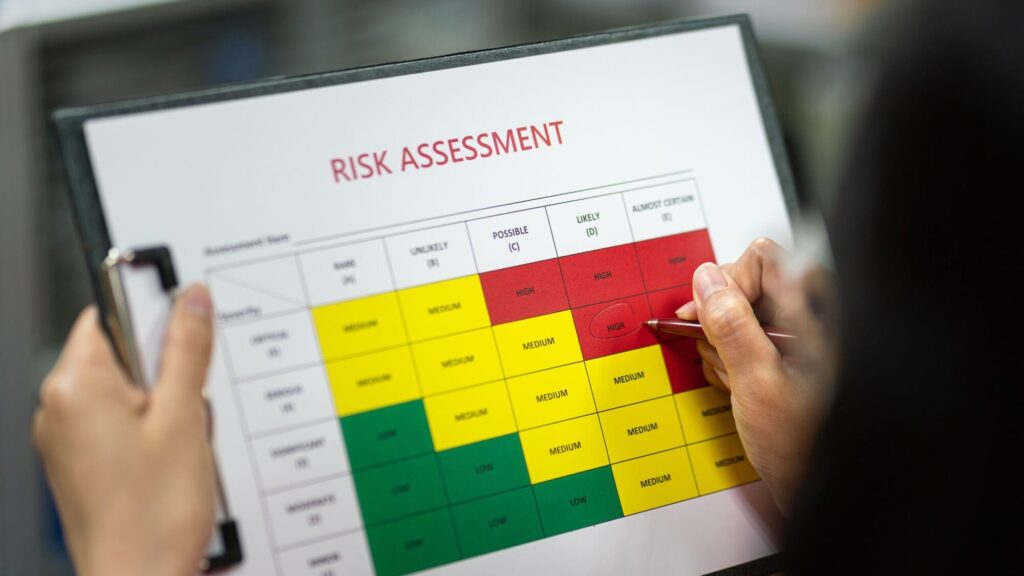
A psychosocial risk assessment follows the same five-step logic as any other safety audit. The key difference is that the data comes from “listening” rather than just “looking.” You need to gather information from sickness records, staff surveys, and informal 1-to-1 conversations to identify where the pressures are building.
Gather Data: Review absenteeism rates and turnover patterns to identify “hotspots” in the business.
Consult Staff: Use anonymous surveys or focus groups to find out what is actually causing pressure.
Evaluate & Prioritise: Focus on “significant” risks—those affecting the most people or causing the most harm.
Record Findings: Document the risk, who is affected, and your specific action plan to control it.
Set Review Dates: Revisit the assessment every six months or whenever a major business change occurs.
Physical Solutions for Mental Health: 5S Lean and Ergonomics
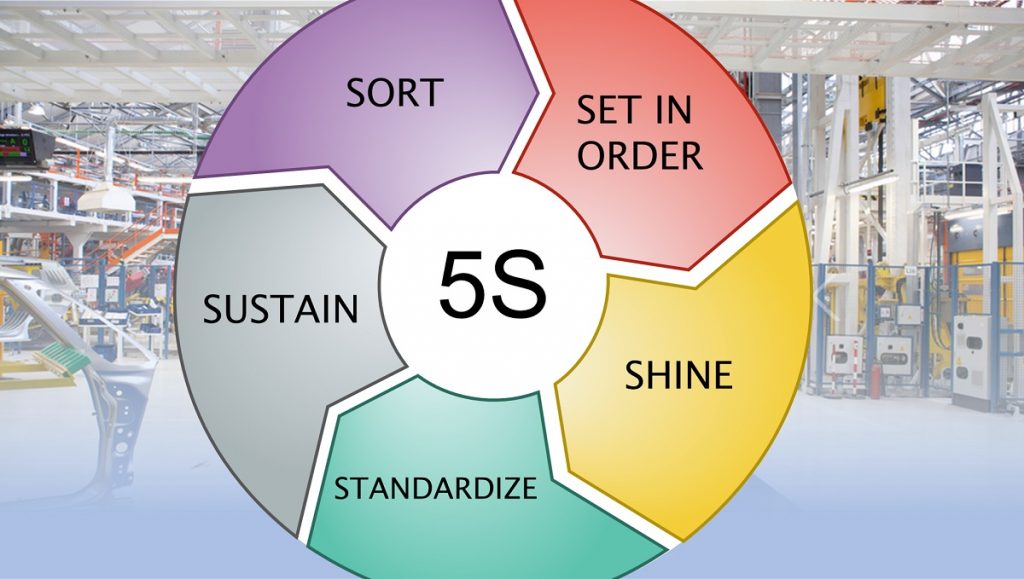
One of the most effective ways to reduce psychosocial risk is to improve the physical environment. A cluttered, chaotic warehouse or office creates a high “cognitive load” and frequent micro-frustrations. By implementing 5S Lean principles (Sort, Set in order, Shine, Standardise, Sustain), you remove the stress associated with lost tools and wasted time.
Similarly, ergonomics plays a vital role in wellbeing. Physical discomfort from poorly designed workstations leads to fatigue, which reduces psychological resilience. Providing ergonomic desks or organised shadow boards for tools reduces the mental energy required to perform a task, helping to keep employees in that “optimal performance” zone.
Eliminate Waste: Use 5S to remove unnecessary items that clutter both the workspace and the mind.
Visual Management: Use shadow boards and floor marking to create a predictable, low-stress environment.
Ergonomic Furniture: Invest in adjustable chairs and desks to reduce the physical fatigue that exacerbates stress.
Standardised Work: Clear, visual SOPs reduce “Role” stress by ensuring everyone knows exactly what to do.
Fostering a Speak-Up Culture: Support and Training
The final piece of the puzzle is culture. A “Speak-Up” culture is one where employees feel psychologically safe to admit they are struggling before they reach a breaking point. This requires training for managers—not to be therapists, but to be “competent” in recognising signs of stress and knowing how to initiate a supportive conversation.
Manager Training: Equip supervisors with skills to handle sensitive conversations using the HSE Talking Toolkit.
Employee Assistance Programs (EAPs): Provide clear signposting to professional counselling and support.
Zero Tolerance: Have a clear, enforced policy against bullying and harassment to protect “Relationships.”
Mental Health First Aiders: Appoint peer-level staff who can provide initial support and signposting.
Regular Check-ins: Move toward frequent, informal wellbeing “pulses” rather than just annual reviews.

Conclusion
As we look toward the remainder of 2026, the businesses that thrive will be those that recognise mental health safety as a strategic advantage. By applying the same technical rigour to psychosocial risks as you do to physical ones—balancing demands, conducting assessments, and improving the environment through Lean principles—you create a resilient, high-performing workforce. You are not responsible for a worker’s personal life, but you are legally responsible for managing the work factors that can impact their mental health.
Frequently Asked Questions (FAQ)
Is a mental health risk assessment a legal requirement?
Yes. Under the Management of Health and Safety at Work Regulations 1999, you must assess all risks to your employees’ health and safety, including work-related stress.
What is "Boreout"?
Boreout is the opposite of burnout; it occurs when employees are under-challenged, feel their work is meaningless, and suffer from chronic boredom, leading to depression and low productivity.
How do I balance stress for my team?
Ensure work is challenging but achievable. Give clear goals, specific timeframes, and regular feedback so staff feel their contribution has value.
What happens if I don't have a written assessment?
If you have five or more employees, you are in breach of safety law and could face improvement notices from the HSE.
Do I need to provide Mental Health First Aid training?
It is not a strict legal requirement, but it is highly recommended by the HSE as a way to demonstrate you are taking mental health seriously.
How does 5S Lean help with stress?
It reduces “cognitive friction” by ensuring everything has a place. This removes the stress of searching for tools or working in a cluttered environment.
Can an employee sue for work-related stress?
Yes, if they can prove the employer was aware of the risk and failed to take “reasonably practicable” steps to mitigate it.
What is the HSE "Talking Toolkit"?
A free set of resources designed to help managers have structured, productive conversations about the six Management Standards of stress.
How often should I review my assessment?
Whenever there is a change in the workplace (e.g., new technology, staff turnover, or restructuring) or at least annually.
What are the signs of "Optimal Stress"?
High engagement, clear focus, meeting deadlines without extreme fatigue, and a positive, collaborative team atmosphere.